Luxury fashion items like CHANEL, Dior, and Hermès bags have not only adorned the arms of the fashion elite but have also emerged as enticing investment prospects. With their value appreciation outpacing traditional investment vehicles like stocks and even gold, it begs the question: are luxury bags a wise investment for the long haul?
The Allure of Luxury Bags as Investments
Over the past decade, the value of luxury items such as the Chanel Classic bag has skyrocketed. For instance, the price of this iconic bag has doubled, presenting an appealing investment opportunity for those looking beyond traditional financial markets. Sotheby’s highlights that a Chanel Flap Bag is now ten times pricier than it was in the 1990s, demonstrating a robust growth in value, particularly in the last few years.
The Economic Dynamics of Luxury Investments
The rising prices of designer handbags are a testament to their enduring appeal and scarcity, fueled by the brands’ strategies to increase prices, which reduces supply and drives up secondary market values. The Hermès Birkin Himalaya Niloticus, for instance, is one of the most valuable handbags ever sold, fetching prices as high as $440,000 at auction thanks to its rare materials and exquisite craftsmanship.
Insights from Experts
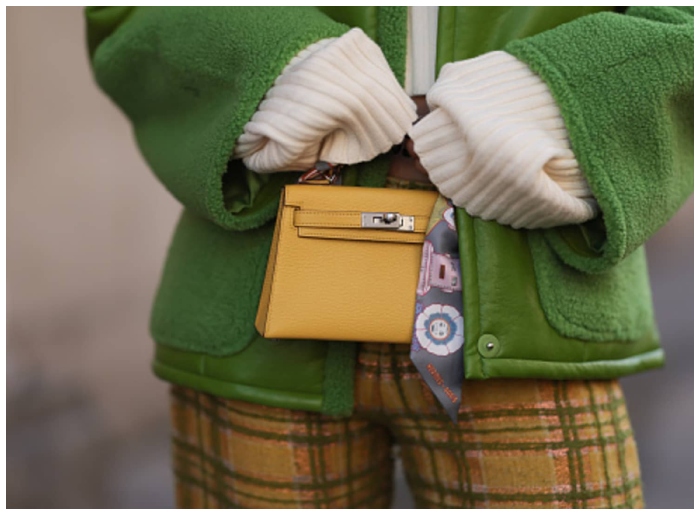
Thomas Kralow, a seasoned financial market expert, offers a nuanced view. He warns that the luxury bag market can be highly speculative and volatile. The value of these items, while potentially increasing, can be affected by numerous factors including economic downturns, shifts in consumer preferences, and changes in fashion trends. As Kralow explains, even unused luxury bags are not immune to these influences, suggesting that their investment potential can be as unpredictable as it is promising.
The Role of Celebrities and the Secondary Market
The influence of celebrities on the desirability and hence the resale value of luxury bags cannot be understated. High-profile figures like Christina Ricci have publicly leveraged their luxury collections as financial assets, underscoring the dual-function of these items as both fashion statements and investment pieces. This celebrity endorsement helps maintain high demand in the secondary market.
Investment Tips for Luxury Fashion Items
For those considering diving into the luxury market as an investment, here are some expert tips:
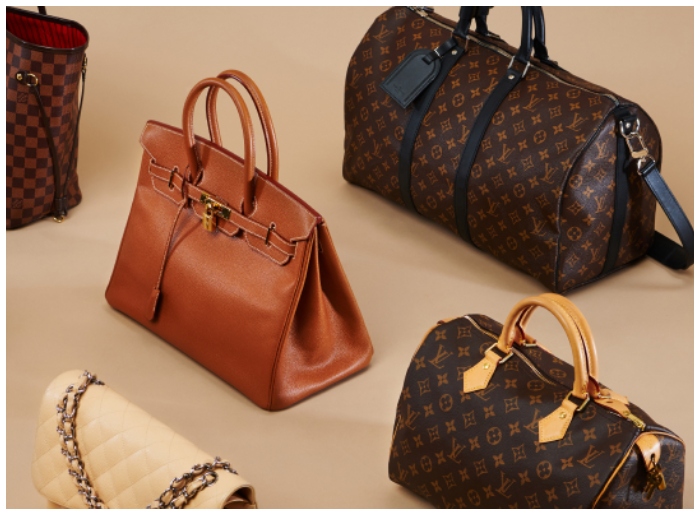
- Focus on Timelessness: Invest in classic pieces that do not go out of style, like the Dior Saddle Bag or the Chanel Flap Bag. Their enduring appeal makes them safer bets for long-term value retention.
- Bet on Limited Editions: Limited edition items often appreciate in value due to their rarity and unique features, such as the Himalaya Birkin.
- Choose Neutral Designs: Opt for bags in neutral colors and designs. These tend to remain in demand and are easier to sell later.
- Keep All Original Packaging and Documents: Retain all original packaging and authenticity certificates. These are crucial for proving provenance and authenticity upon resale.
- Be Financially Prudent: Ensure that any purchase fits within your budget. The market for luxury bags, while potentially profitable, does not guarantee returns.
- Diversify with Other Luxury Goods: Consider other luxury items like watches from Rolex or Patek Philippe, which also appreciate in value.
- View as Part of a Diversified Portfolio: Treat luxury bag investments as part of a broader investment strategy. They should complement, not replace, more traditional investments.
Conclusion
Investing in luxury bags from prestigious brands can be a lucrative but risky venture. The market’s volatility and susceptibility to external factors make it imperative for potential investors to approach with caution and informed perspective. As with any investment, thorough research and a clear understanding of the market are essential. Luxury bags may offer the allure of aesthetic and economic value, but they should ideally be one part of a diversified investment portfolio to mitigate risks and enhance potential returns.